
In this document i will explore some of the biggest events in South African History.
The history of South Africa has many tales and turns within the last few hundred years. With a large range of occupants there are many tales to be told within the history of this country. However, I have decided to create a timeline of some of the most historically relevant events of the last 30 years. Then, I will explore one of the most historically significant times of South African history, the apartheid.
1994 – During South Africa’s first national democratic election, Nelson Mandela was sworn in as the first democratic President of South Africa. Mandela was also the first president of post apartheid South Africa.

1995 – Sporting history is made as Nelson Mandela awards captain Francois Pienaar the Webb Ellis Cup, after Springboks wins 15 -12 against New Zealand. This world cup match was held at the Ellis Park Stadium, in Johannesburg.
![In memory of Nelson Mandela[5]- Chinadaily.com.cn](https://www.chinadaily.com.cn/world/images/2013mandela/attachement/jpg/site1/20131206/eca86bd9d543140b5e5f29.jpg)
1996 – Adoption of the South African constitution on May 8th, marks a democratic milestone. With a bill of rights second to none, this is considered by many as the most advanced constitution in the world.

1997 – During this year the South African National anthem is born, curated with a blend of two existing pieces. The Anthem was first performed at the opening of parliament in February 1997.
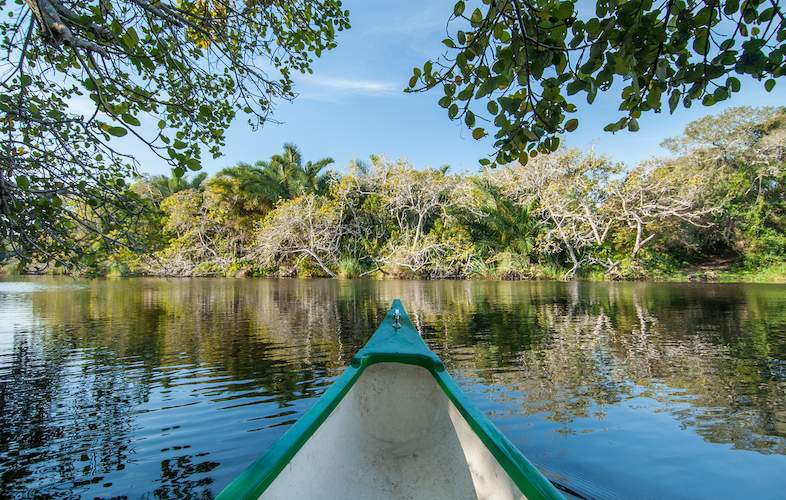
1999 – iSimangaliso Wetland Park, KwaZulu-National, is named South Africa’s first national heritage site. Its title was given for its superlative natural beauty.


2002 – Mark Shuttleworth becomes the first ever South African in space, and the second ever self funded space tourist, when he travels to the International Space Station, on the 25th of April 2002, on board the Russian Soyuz ™-34 Spacecraft.

2004 – During this year Charlize Theoron won the Oscar for best Actress.

Furthermore, the South African swimming relay team won gold at the Olympics in Athens.

2006 – Tsotsi wins the best foreign language film Oscar.


2007 – In this year, the Springboks won the Rugby World Cup for a second time since 1994, when defeating England 15-6.
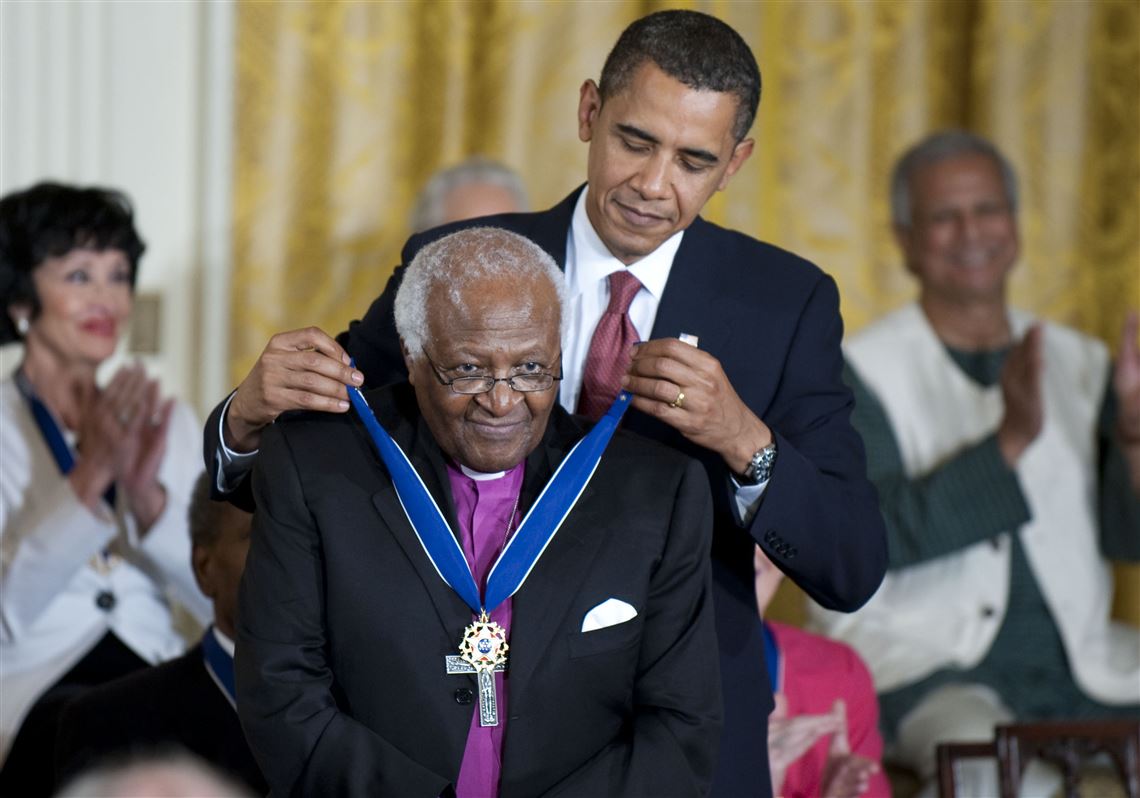
2009 – Archbishop Demond Tutu’s historic accomplishment and efforts to promote peace were finally recognised by the US, when President Barack Obama named him as the recipient of the highest civilian honor; the Presidential medal of freedom.
Furthermore, in this year Mandela Day was launched worldwide, when the UN declared July 18th Nelson Mandela day. This day was designed to reflect, remember and educate those on his values and dedication of service to humanity.

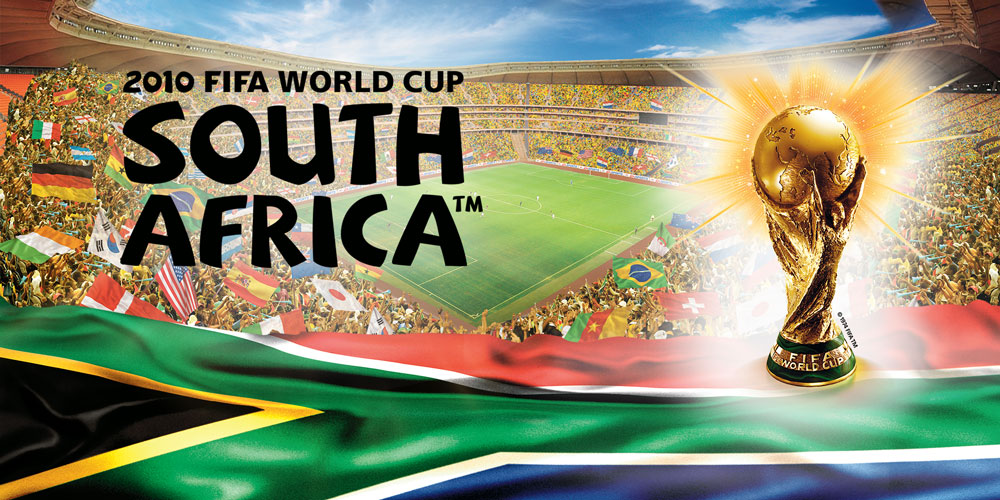
2010 – South Africa hosts the FIFA world cup.
Furthemore, the Graca Machel Trust – a Pan-African advocacy organization focused on; children’s health and nutrition, women’s empowerment, and education – is launched.

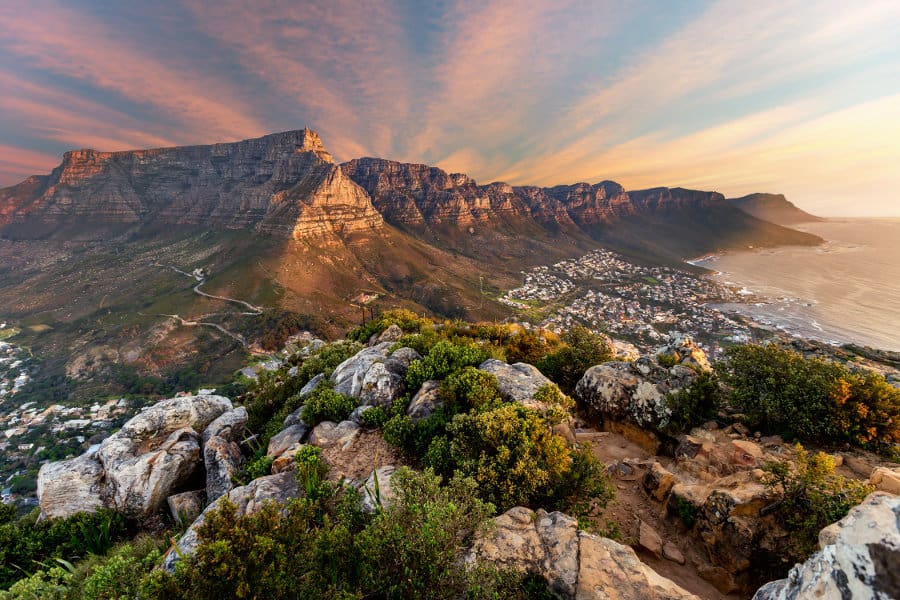
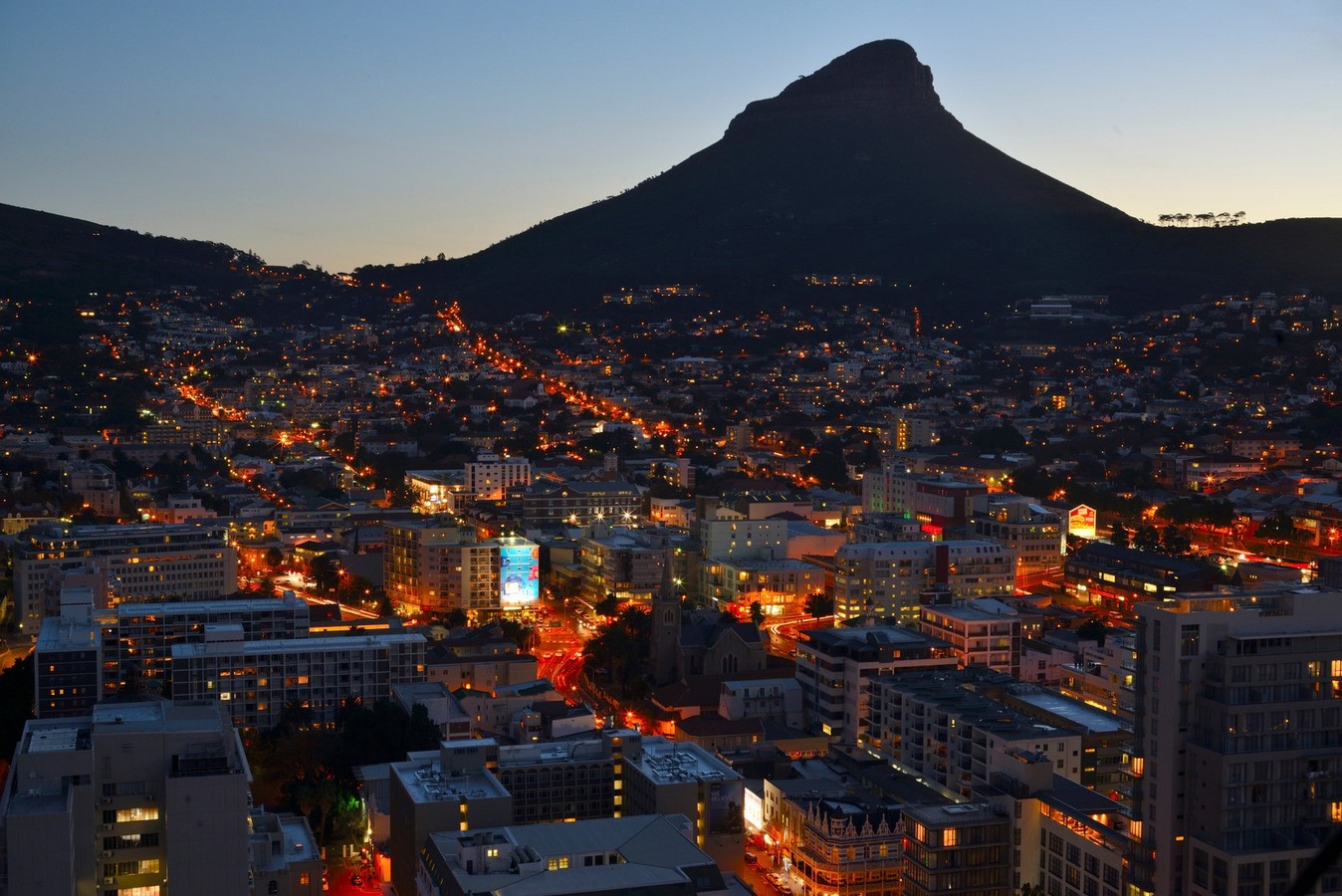
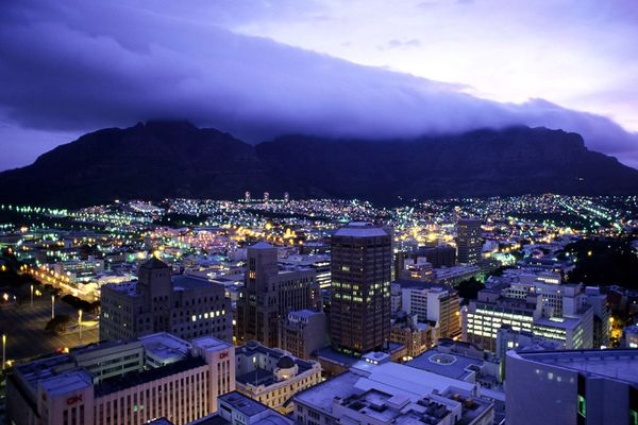
2012- Table Mountain is named the seventh natural wonder of the world.
2013 – National hero, Nelson Mandela, dies aged 95 at his home in Johannesburg.

2014 – Cape Town is named the design capital of the world.

2015 – Trevor Noah, a local turned international star, becomes the host of America’s The Daily Show.

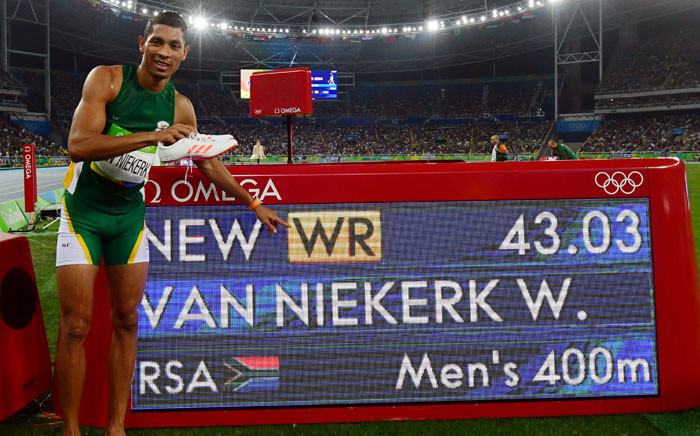
2016– This year was huge for sports history in South Africa. During this year Wade Van Niekerk set a new world record at the olympics, while winning a gold medal.
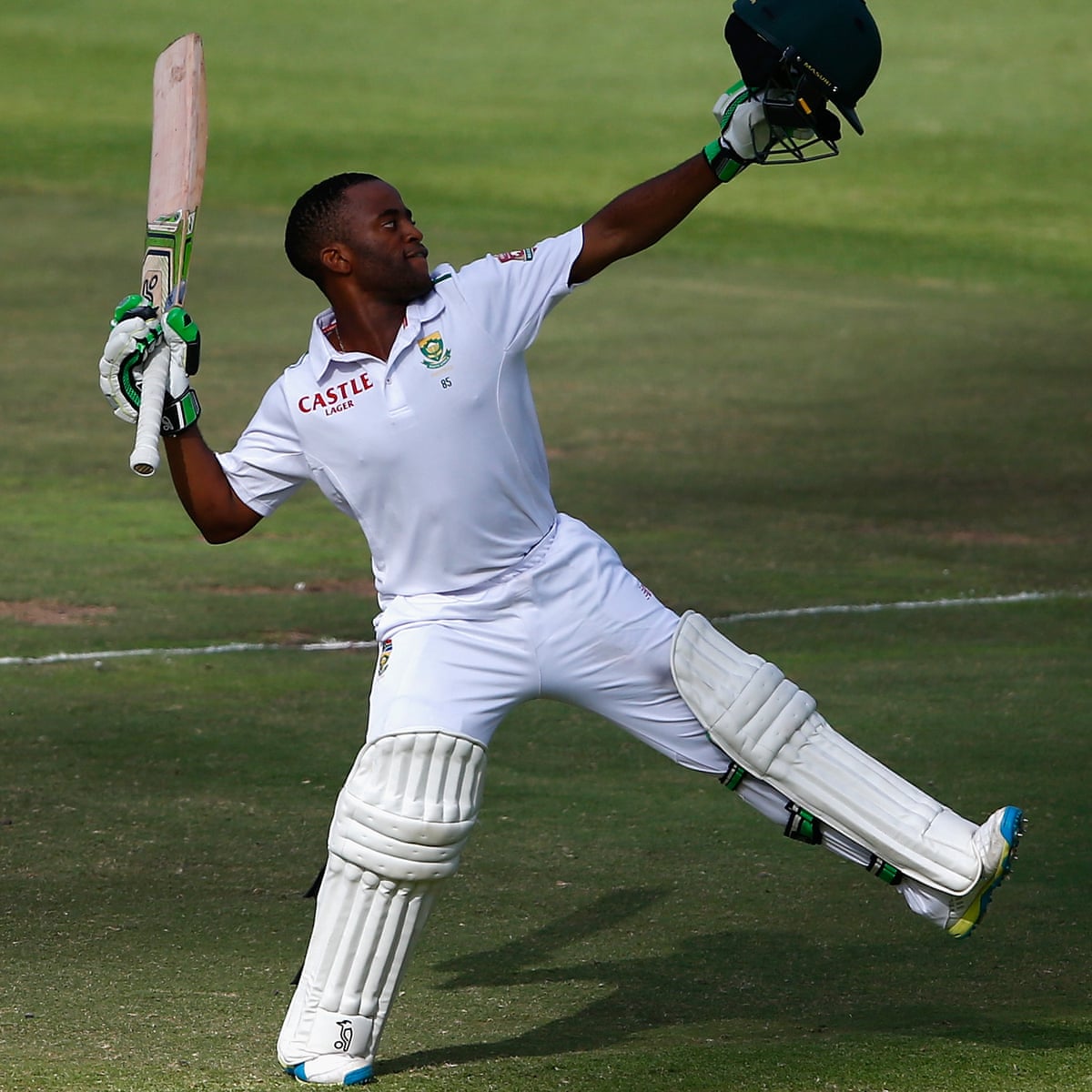
Also, Temba Bavuma becomes the first black cricketer to make a test century for South Africa, as well as making his one day debut for South Africa against Ireland, before scoring his maiden ODI century – making him one of only 15 players in the world to have achieved this.
2017 – Nkosi Sikelel’ iAfrika is voted the best national anthem in the world. It is praised for its inclusivity , and ability to bring people together.
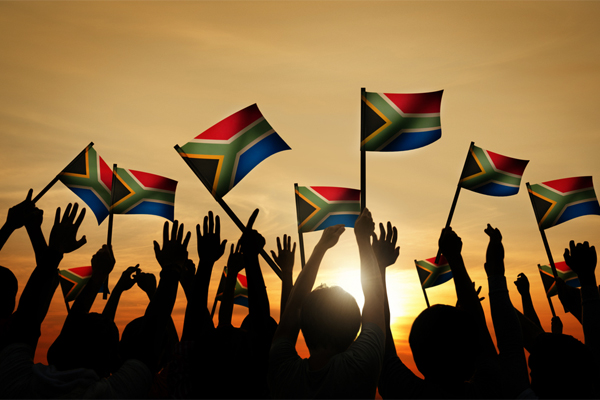
2018 – In this year Phetoyo Molawa becomes South Africa’s first black female helicopter pilot, before becoming the first woman and black person to take command of the South African Air Force.

The Apartheid – Overview
Below I have created an overview of one of the most significant times in the history of South Africa. The Apartheid took place between 1948 and 1994, and was a racial segregation act under an all white government.
The apartheid declared that all non-whites (therefore the majority of South Africa’s population) must limit their contact with whites. This act was dedicated to ensuring those of non-white skin tones were forced to live in separate areas, use separate facilities, and were restricted from certain areas, such as; beaches and public toilets.


Millions of non-whites were forcibly removed from their homes and placed restricted, and confined, in separate tribal homelands according to ethnicity. This left white people the only inhabitants of towns and cities.
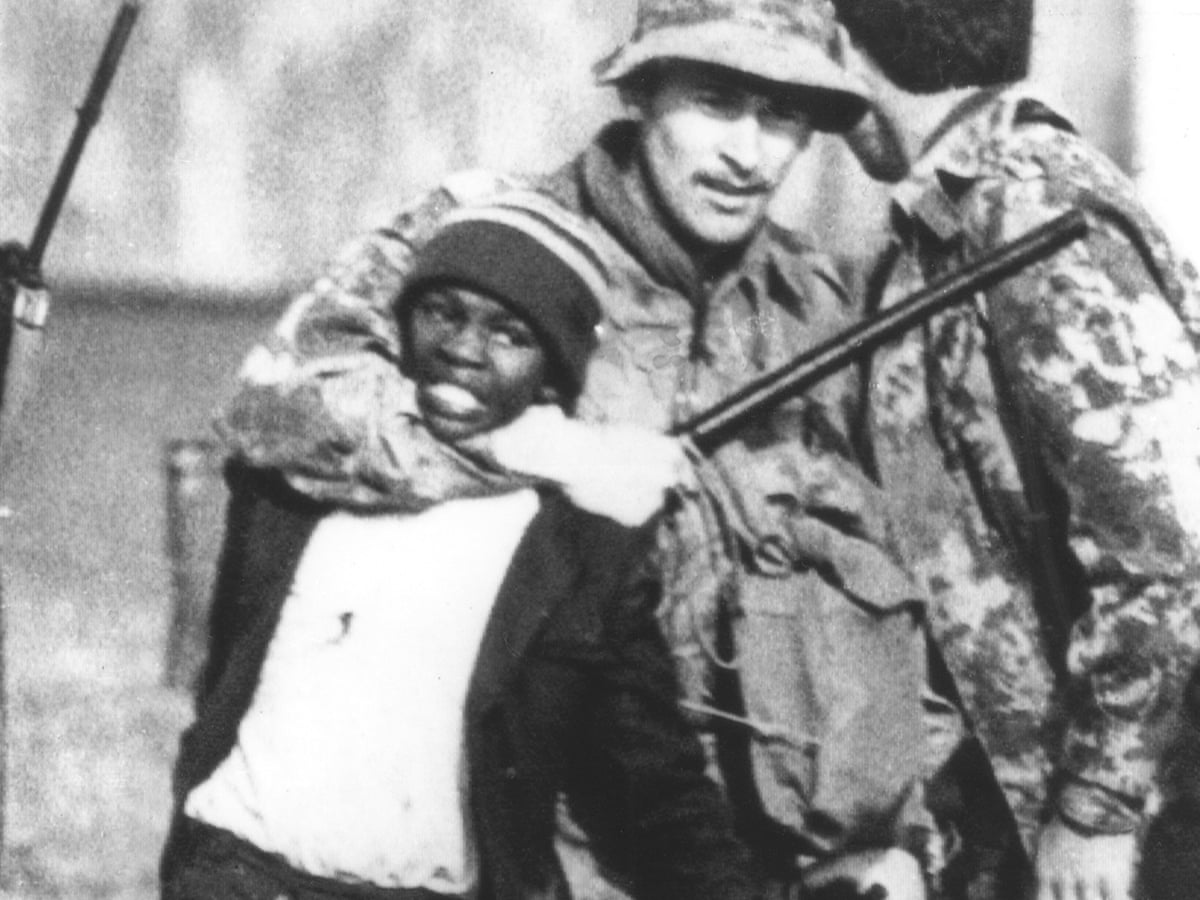
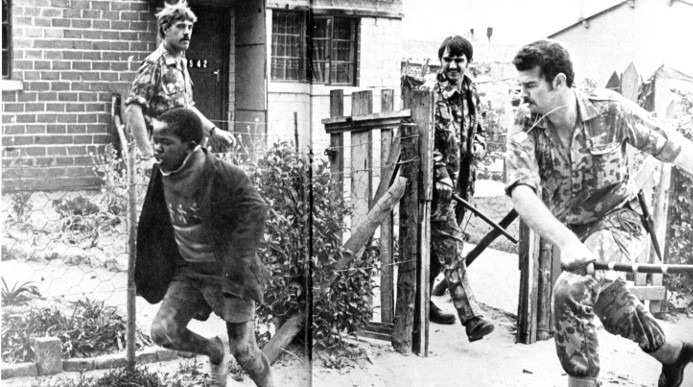

During 1948, the National party was elevated into government, then the apartheid became a social project of theirs. They based the act on a series of laws that made it legal.
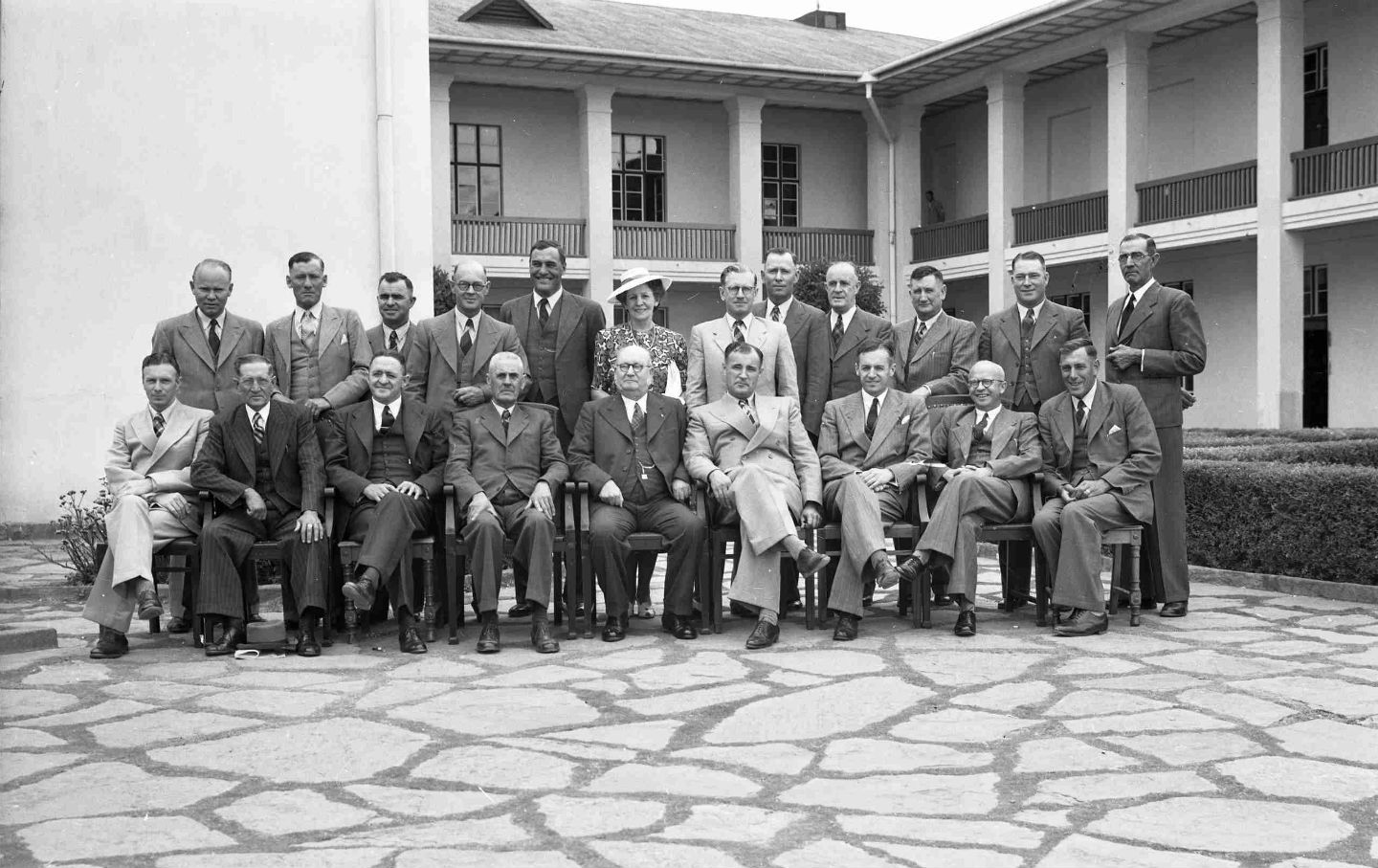
Firstly, it became illegal for South African citizens to pursue any inter-racial relations. Citizens were divided into four categories; Black, Indian, Coloured (mixed race), and White. Once placed into these categories, restrictions on locations and resources were put in place.

This intensified when Africaans became the official language of South Africa, used for all communication, including for work and education. Next, it was made illegal for blacks to vote or engage in any politics. This left their purpose reduced to labor for whites, causing many internal resistances to grow.
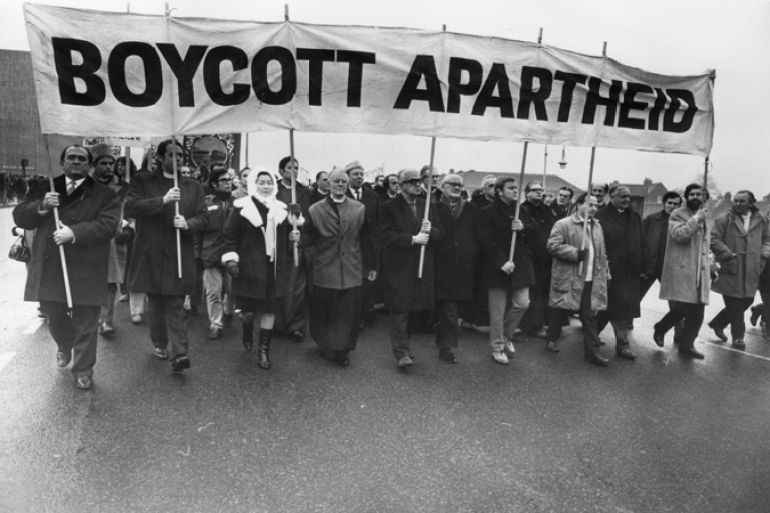
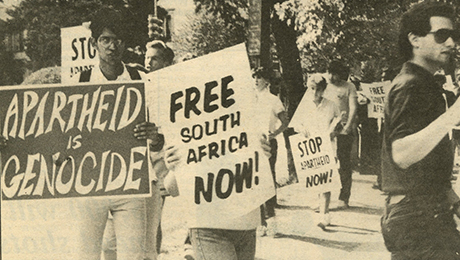
As a result of this resistance, political groups were formed, with the aim to fight the white ruthless rule. However, this was met with an armed response from the government, arresting and trying many activists and eventually leading to the ban of all political organizations.

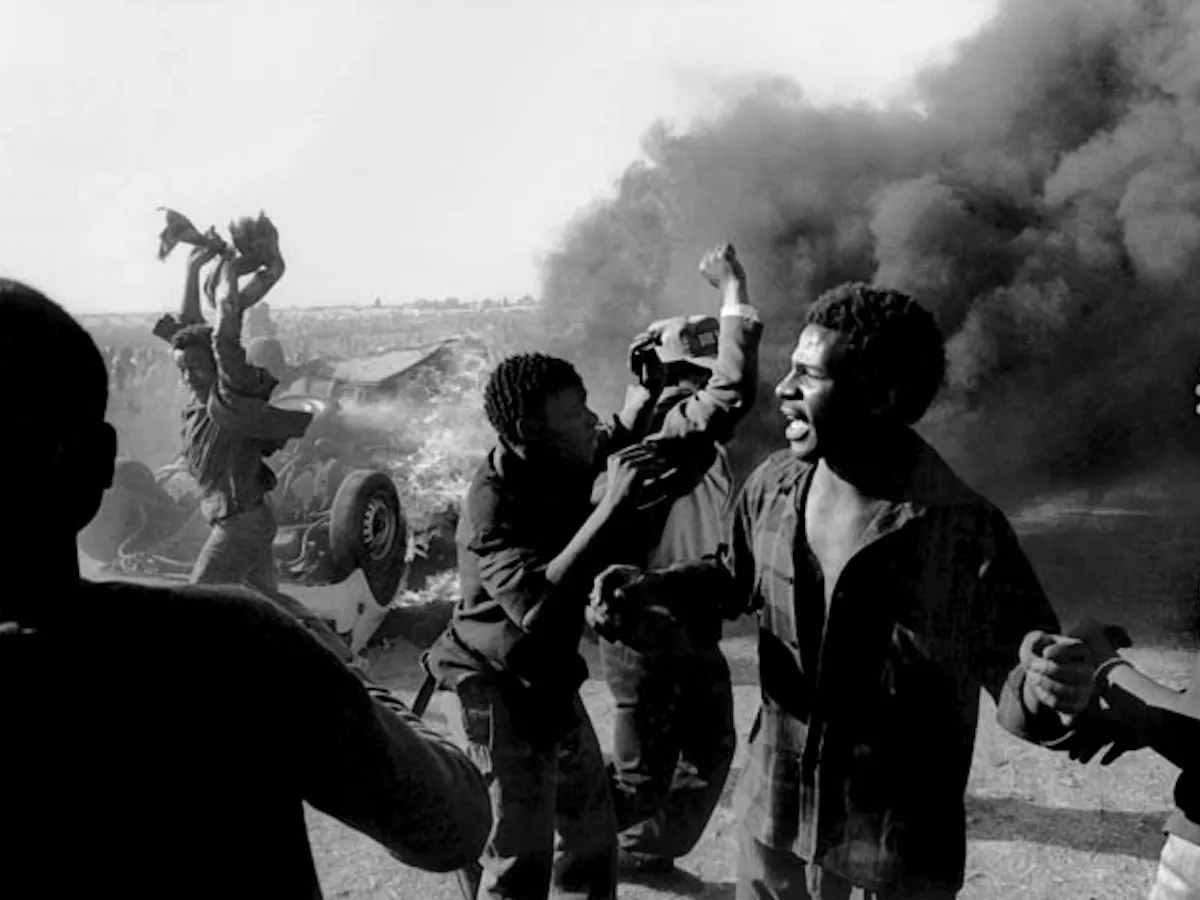
During the 80’s, internal and external pressure to denounce the apartheid rose so high, as more and more people became aware of the brutal and unfair treatment of people, due solely to the color of their skin. The government became more and more brutal in their fight before eventually having no choice but to submit to its pressures, after years of isolation from international communities.

Finally, in 1994, all political prisoners were released and the freedom association was established. South Africa finally was able to celebrate all of its people, under a constitutional democracy based around non-racialism and empowerment of the minority.


 Megan Hoff