
In this post I have explored some of the causes, affects and symptoms of Anxiety.
The subjects explored within this post may be triggering for some readers, please proceed with caution.
The term anxiety is used to describe a feeling of unease, worry or fear. These feelings can range from mild to severe, therefore the meaning of this word is different to every person. Almost everyone feels a sense of anxiety at some point in their life, but not everyone will suffer so severely that they will need diagnosis and treatment.
Furthermore, there is a huge difference between feeling a sense of worry, and actually having anxieties. When a worry becomes so strong that it affects your daily life, as it is hard to control, that is likely when an anxiety has formed.
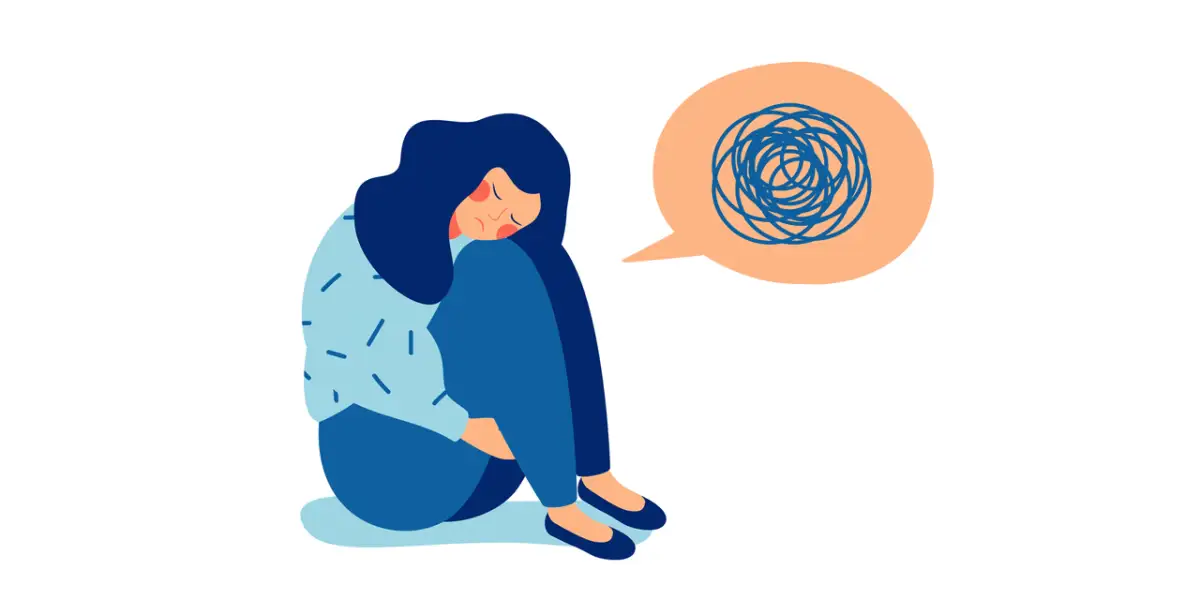
Anxiety can occur on its own, referred too as GAD (Generalised Anxiety Disorder),or be the main symptom of other mental health disorders, such as; PTSD, Panic disorders, Phobias, and Social anxiety. It is so important to seek help when you think you may be suffering from anxiety, as it may be linked to a larger issue.
As just mentioned, when anxiety occurs on its own, it is usually referred to as Generalised anxiety disorder, or GAD. This condition is often long term, and causes a sense of anxiety in a wide range of situations, rather than one specific subject or scenario, such as social anxiety or phobias.
Symptoms of anxiety may include; restlessness, worry, distress, trouble concentrating, and difficulty falling or staying asleep.

When you believe you are suffering from symptoms of anxiety, or your worries are causing you extreme distress, and disrupting your life, it is time to visit your GP. When in your appointment, a GP is likely to ask you about your symptoms, in order to decide the most effective step to take next. There are many forms of help for conditions like anxiety, for example; self help methods such as exercise, mindfulness and meditation may help for some, while others may need talking therapies, medicines or referrals to more specialist services.


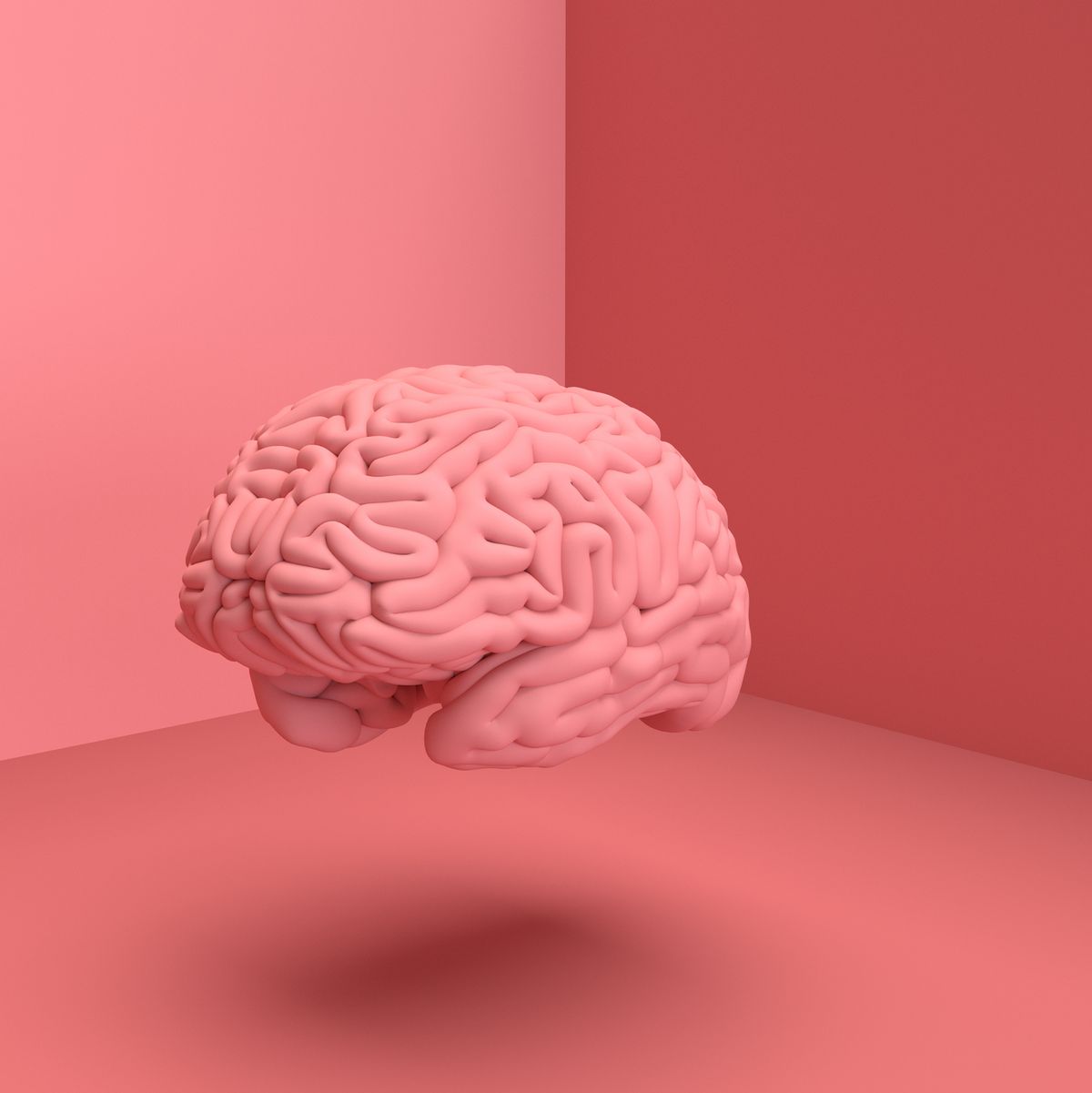
The exact cause of anxiety is currently unknown, but a combination of multiple factors are believed to cause an onset of anxiety. Researchers believe some of these factors may consist of; over activity in areas of the brain that are involved in emotions and behavior, an imbalance of the brain chemicals serotonin and noradrenaline which are involved in mood control and regulation, and genes that are inherited from parents – as you are around five times more likely to suffer from anxiety if one, or more, of your close relatives has the disorder. Furthermore, events in your history that may cause traumas such as; child abuse, domestic violence, assaults or bullying also have a huge part to play in the onset of this disorder. Finally, long term health disorders, pain disorders and alcohol or drug misuse may also contribute to these factors, however anxiety may also occur with no apparent reason.

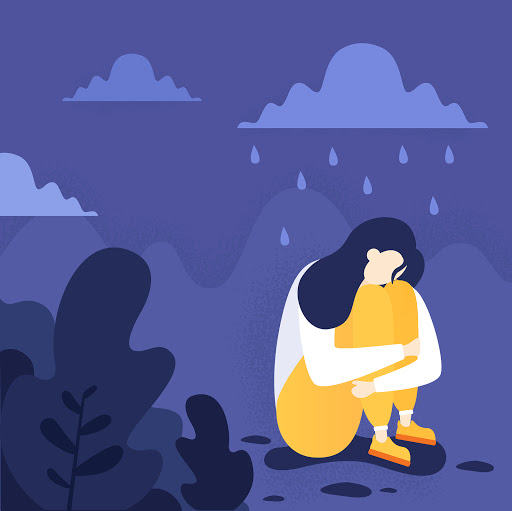
It is estimated that every one in twenty five people in the UK have been diagnosed with some form of anxiety disorder. Records also show the disorder tends to affect slightly more women then men, but this may just be because men are not as likely to reach out for help. This disorder is also more common between the ages of 35-55, however the rise of social media has brought a huge increase in the number of children, teens and young adults suffering with anxiety.

Although anxiety can be difficult to live with, there are many forms of treatment that can be used to improve ones quality of life. The most common treatment for reoccurring anxiety is psychological therapies, such as Cognitive Behavioral Therapies (CBT). These therapies can happen in person, over the phone, or even be read from a book. Some kind of therapy will most likely be a GP’s first referral. However, if you have a more sever case, or talking therapies don’t seem to be helping, a combination of these therapies, and medicines, known as anti-depressants will likely be used. A GP may also likely recommend self help, such as; exercise, mindfulness, exercising, stopping smoking, and cutting down alcohol and caffeine. Any one, or a combination of these treatments may be used and are often successful in improving ones state. However, in some cases these treatments may need to be continued for a longer period of time, and if not working a person may have to be referred to a further, specialist facility to deliver more intense treatment plans.
It is important to note, that conditions like anxiety never often completely go away. Much like the common cold that usually returns every winter, symptoms of anxiety will often have times of worsened and recurring symptoms. However, after persevering with treatment plans, these feelings should become easier to deal with, and less overwhelming.

As a person diagnosed with anxiety myself, I can vouch for the fact that these feelings can sometimes feel so overwhelming, it does not even feel like I am in control of myself. One of the most accurate depictions I have ever heard of, was an article referring to mental health conditions as demons that were created to torment us. I feel this is such a great way to explain the way these conditions can feel, as sometimes even completing treatment plans can be exhausting. However, after much perseverance I can happily say I am now in a much better place in my life. However, due to my past, I am aware of the scary realities these conditions can create, so am keen to spread awareness on the realities of these conditions, hopefully in turn making them less of a taboo subject.

