
In this post I have explored the causes, symptoms, effects and treatments for depression.
Some of the subjects explored in this post may be triggering to some viewers, please proceed with caution.
Depression is a term used to describe a feeling that is far more severe than feeling unhappy or fed up for a few hours, or days. Many people suffer periods of feeling low, but depression occurs when these periods last for a prolonged amount of time, for example; weeks or months rather than hours or days.
Many people consider depression as trivial, and not a real illness. However, depression is very very real to those who are suffering, and is far from a sign or weakness. This condition is not something which can be ’snapped out of’ by ‘pulling yourself together’. These are just some of the things that can often be said to a person suffering depression, and as you an imagine those phrases can be extremely harmful.
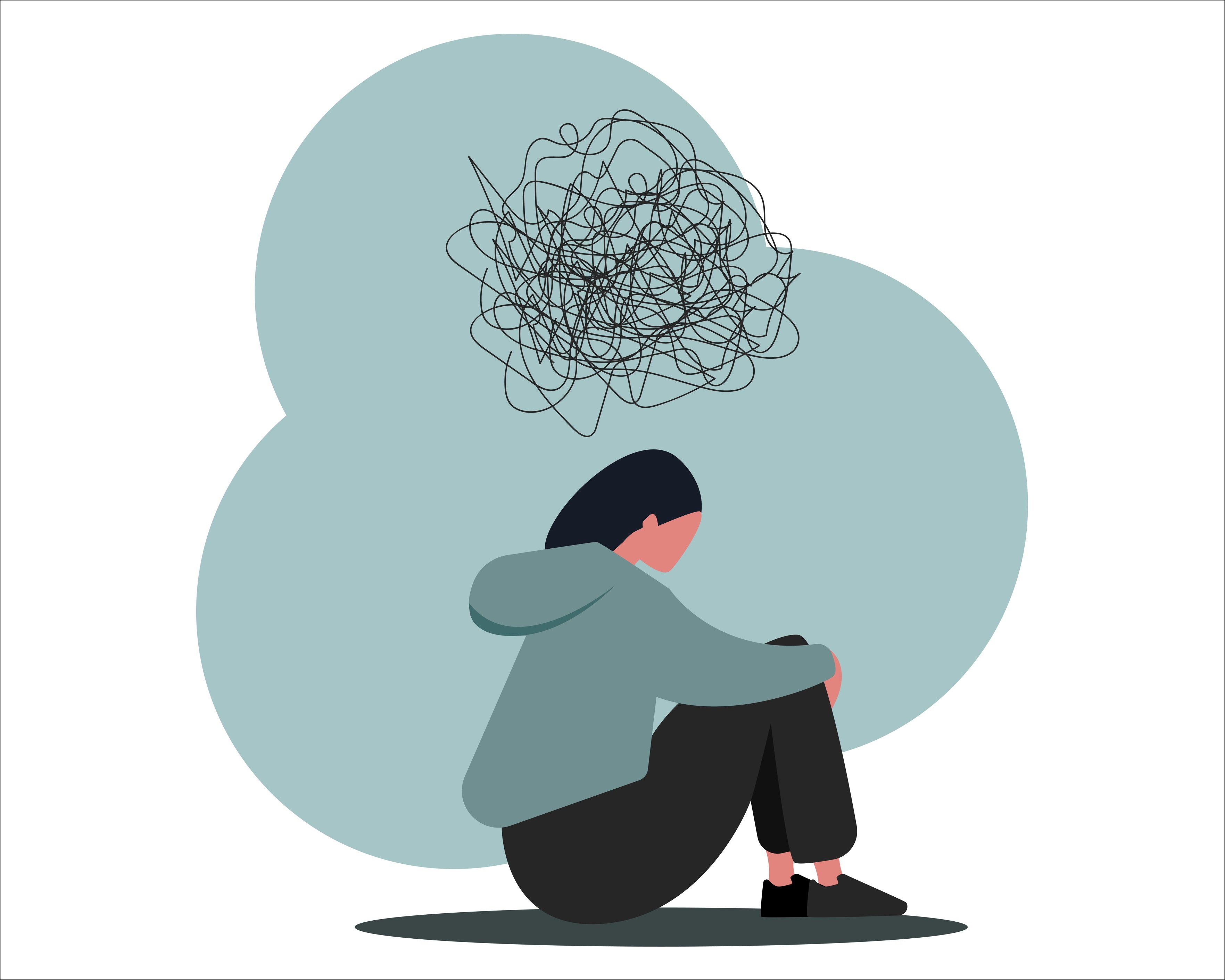
Symptoms of depression can include feelings of; unhappiness, hopelessness, loosing interest in things or people you usually love, fearfulness, anxiety, physical pain, fatigue, bad sleep, low sex drive, difficulty concentrating, no appetite, however the pattern and severity of these symptoms varies from person to person. For example, while one person with depression may feel a reoccurring sense of low spirit, another may suffer from suicidal thoughts.
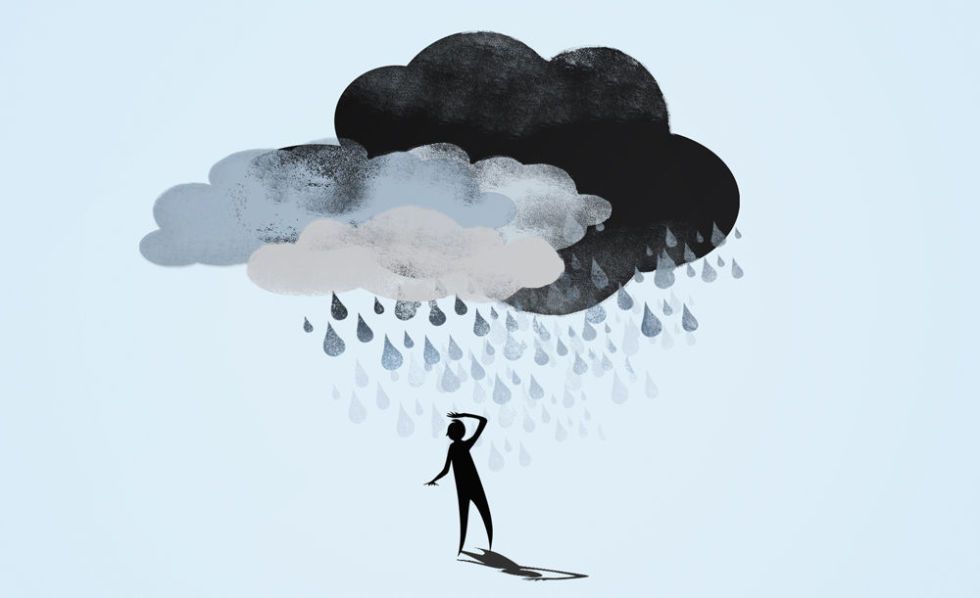
Although when suffering, it may seem like the pain will never end, there are may treatment options in place for those suffering with depression. It is vitally important to speak to a GP as soon as you think you may have depression, as your symptoms are not likely to get better without professional help. Many people feel ashamed of there feelings, and wait long periods of time before reaching out, but it is extremely important to take these steps as soon as possible. After speaking to your GP, they are likely to recommend one, or a combination of the treatment options listed below, however in milder cases they may suggest waiting to see if your symptoms are able to improve on their own, while monitoring your progress, known as ‘watchful waiting’.
Lifestyle changes – Removing negative people and situations from your life, eating healthier, exercising, quitting smoking, limiting caffeine and alcohol intake, mindfulness, keeping a diary.



Talking therapies – (Cognitive behavioral therapy) in person, over the phone, online, guided books.

Medication- Anti-depressants, such as SSRI’s
In more severe cases a person will often be referred to a specialist mental health team to receive intensive treatment plans, tailor made for each patient.
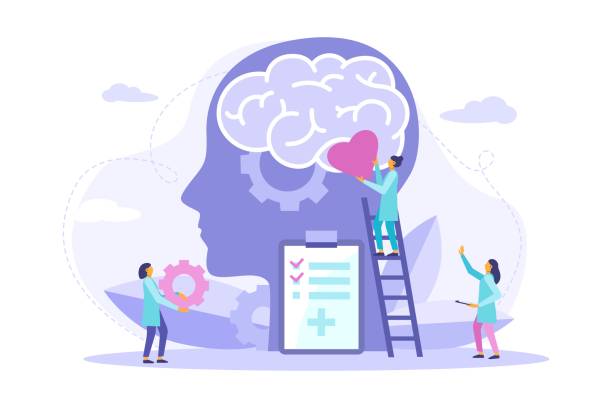
The exact cause of depression is not known, but some of the believed causes include; triggers and life changing events such as – bereavement, childbirth, losing your job, or ending a relationship, and inherited genetics – as you are more likely to suffer from any mental health condition if a close relative does also. However, much like anxiety, depression can also just occur for no apparent reason.

Overall, even if it does not necessarily help improve your symptoms, joining support groups, or reading books can help you to understand your condition more, and accept the fact there are others out there just like you, and there is a light at the end of the tunnel. As a person who has been diagnosed with depression, I know fist hand how isolating this condition can make one feel. However, after reaching out for help I immediately felt a weight lifted off my shoulders, and was quickly on my road to recovery. I urge that anyone who may be struggling with depression please reach out for help, as it does get better. Your life is worth more than you could ever imagine.

