
In this post, I have explored the causes, effects, symptoms and treatments of OCD.
Some of the subjects explored in this post may be triggering for some readers, please proceed with caution.
OCD is used to describe a condition that causes Obsessive thoughts and/or Compulsive behaviors. These thoughts and behaviors can be extremely distressing, and often cause huge disruption in a persons daily life.
This disorder is known to affect men, women and children just as equally, and can begin as early as age six! However, it is most likely to develop around the teenage and young adult years.

Symptoms of OCD include frequent obsessive thoughts and compulsive behaviors of all kinds. Obsessive thoughts are unwanted and often unpleasant thoughts, images or urges that repeatedly enter your mind – often causing feelings of anxiety, unease and disgust. Furthermore, a compulsive behavior is a repetitive physical or mental act you feel an overwhelming need to do in order to temporarily relive the unwanted feelings and/or thoughts your brain is channeling. For example, if a person had an obsessive fear of being burgled, they will feel a need to consistently check there doors and windows are locked. Furthermore, women are most likely to develop OCD after childbirth, often they will have obsessive worries about harming their baby, therefore will constantly check the baby is breathing, or visit the doctors in fear something is wrong.

Many people with OCD are reluctant to reach out for help, as the feel they will be misunderstood. However it is extremely important to visit your GP as your symptoms are only likely to worsen if you do not get help. Upon visiting your GP, they will complete an assessment of your current state in order to decide the appropriate next steps to be taken. Often self referral to talking therapies, online sources and books will be the first port of call. However, in more severe cases a referral will be made to a specialist mental health team in order to complete an intensive treatment program. Before this, support groups, medications, and GP referred taking services may be advised.


Although the exact cause of this disorder is not yet understood, a combination of multiple factors is believed to cause an onset. Family history is one of the largest believed factors, as those with a family history of the disease are believed to have inherited genetics, and learned behaviors. Furthermore, a difference in the brain, for example unusually high levels of brain behavior activity, or low levels of a brain chemical, named serotonin, may contribute to these factors. Additionally, you are believed to be at a higher risk of developing OCD if you have lived through certain life events, or traumas such as; bullying, abuse, childbirth, bereavement and neglect. Finally, personality traits may also contribute to these factors, if a person is neat and methodological, or has high standards, they are more likely to develop the disorder.

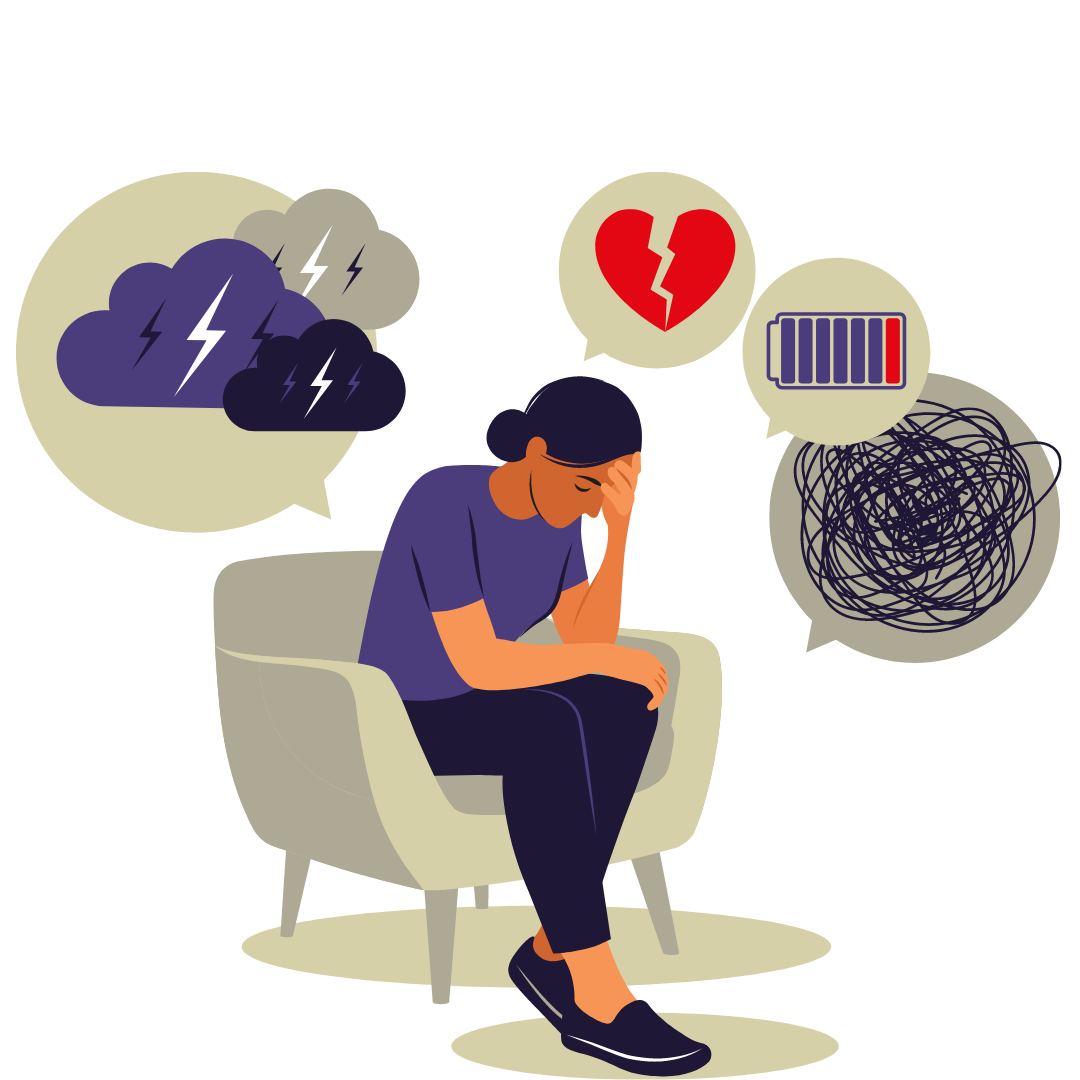
As someone who struggles with OCD, I would like to focus on the fact that although a common stereotype for this disorder is that everything must be clean, tidy, and even, my head feels like a jumbled mess. The fact that I can not control these thoughts and behaviors makes me feel I am fighting a loosing battle with that big mass of unexpected messiness. Therefore, I would like to create a look that reflects this feeling, of unleashed, mass chaos.