
In this post I have explored the causes, effects, treatments, and symptoms of Body Dysmorphic Disorder.
Some of the subjects explored in this post may be distressing to some readers, please progress with caution.
Body Dysmophic disorder, is used to describe a person who spends a long time worrying about flaws in there appearance even though these flaws are often unrecognisable to others.
This disorder can affect anyone, at any age, but is more common in teens and young adults. However, men and women seem to be equally affected. It is important to recognise that people with this disorder are not self obsessed, or vain, in fact they are often very distressed every time they see themselves in a mirror or image. As you can imagine, this can have a huge impact on ones daily life, as this may even cause people to cover any mirrors in their house, or avoid taking photos with people.


Symptoms of this disorder include; worrying about a specific area of the body (often the face), comparing your looks with others, constantly looking in or avoiding mirrors, going to extreme efforts to conceal flaws, taking prolonged time on hair/make-up/outfit preparations, or picking at the skin to make it appear ‘smooth’.

These symptoms can cause extreme distress and disruption to work, social and romantic lives and relationships, which may also lead on to feelings of depression, self-harm and suicide. The hardest part of this condition is the steps taken to conceal the flaws, often actually make the flaw worse, for example picking at spots to make them go quicker, will Actually make the healing process take longer, and likely cause scarring.
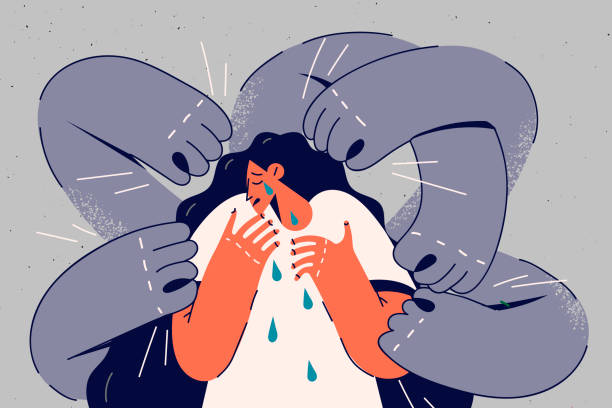
It is important to reach out for help if you believe you are suffering from any kind of mental health condition. When talking to a GP, they ate likely to ask you about your symptoms, allowing them to asses the severity of your situation, and therefore chose an appropriate next step.
There are a range of treatment options for all symptoms and severity’s of this disorder. A GP will usually recommend one, or a combination of the following; Self referral to talking therapies, CBT (cognitive behavioral therapies) – will help to identify and overcome triggers, Explosive response prevention – Slowly introducing difficult situations to overcome fears little at a time, and/or Medication – may take up to twelve weeks to work effectively. It is also important to complete self help tasks, by partaking in mindfulness exercises, relaxation, support groups and breathing exercises. If none of this is successful, a GP will likely refer the patient to a specialist mental health team for more intensive treatment. Although it can be scary to reach out, it is important to remember your symptoms are not likely to get better on their own, so reaching out is vital.


Although there is no specific cause identified, a combination of genetic factors are believed to cause this disorder, as a person who has a family history of Body dysmorphia, OCD, or depression is more likely to suffer the disorder. However chemical imbalances in the brain, and environmental and historical factors such as abuse and bullying may also contribute to the likeliness of this condition occurring.


It is important to identify symptoms and reach out as soon as possible, because more severe cases of this disorder can cause a person to see extremely distorted versions of themselves, which can be extremely distressing.

